

What does a pediatric physical therapist do? (PT)
A pediatric PT addresses body alignment and postural control, motor skill acquisition and planning, mobility, balance, and muscle strength and coordination to support a child’s holistic development.
Pediatric PTs aim to help children function independently and participate actively in their homes, schools, and communities. They collaborate with families to assess the need for environmental modifications and adaptive equipment, providing a safe environment for play and learning.
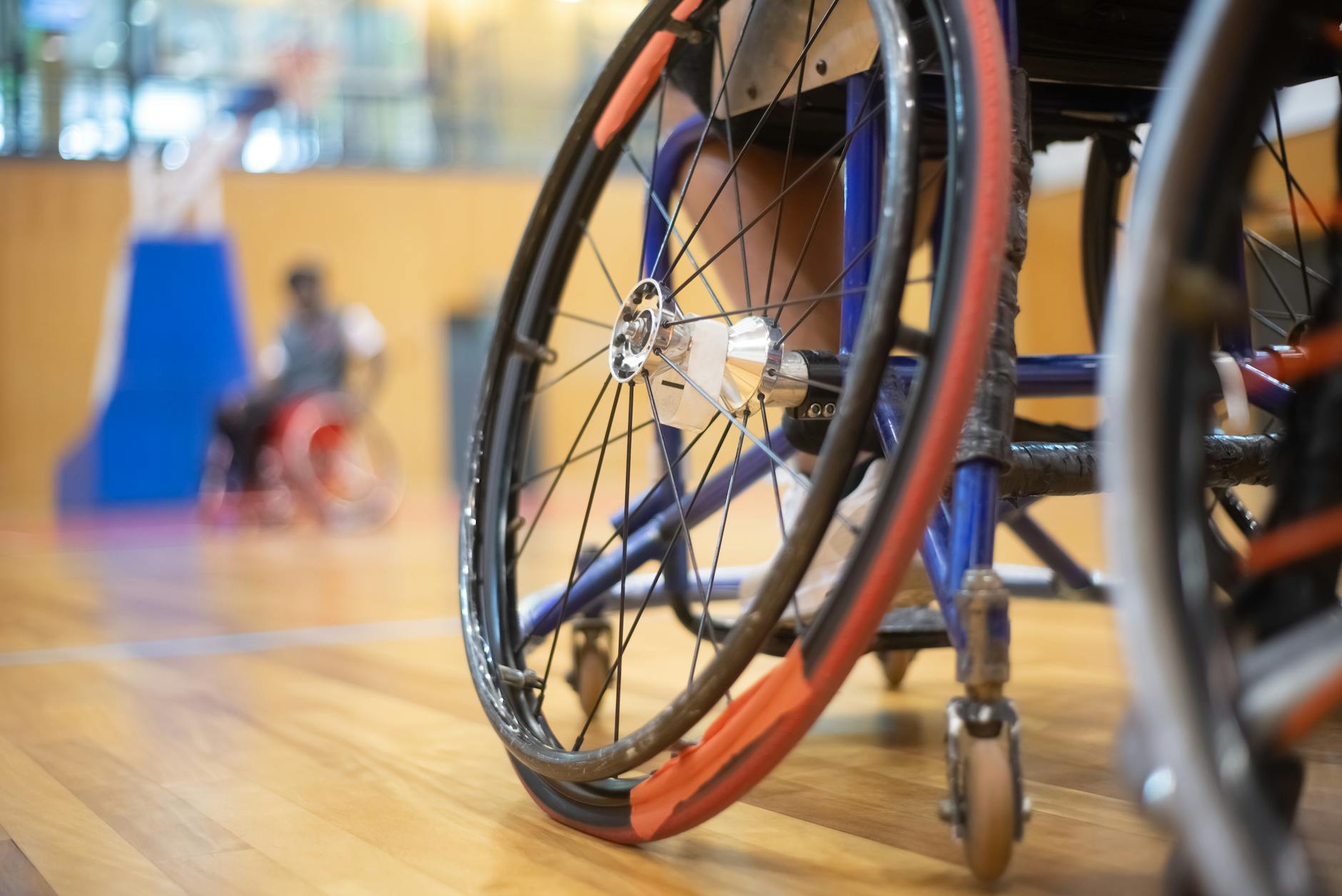
Misconception:
Only children with evident physical diagnoses need pediatric PT services
Photo by Kampus Production on Pexels.com
A pediatric PT’s expertise extends beyond mobility. Pediatric PTs approach each child holistically, considering multiple body systems to provide tailored care. They attend to all children, even children who are running and going to school.
Pediatric PTs help fellow healthcare team members by providing a solid foundation for handwriting development, feeding (promotor approach)2, and sensory regulation.
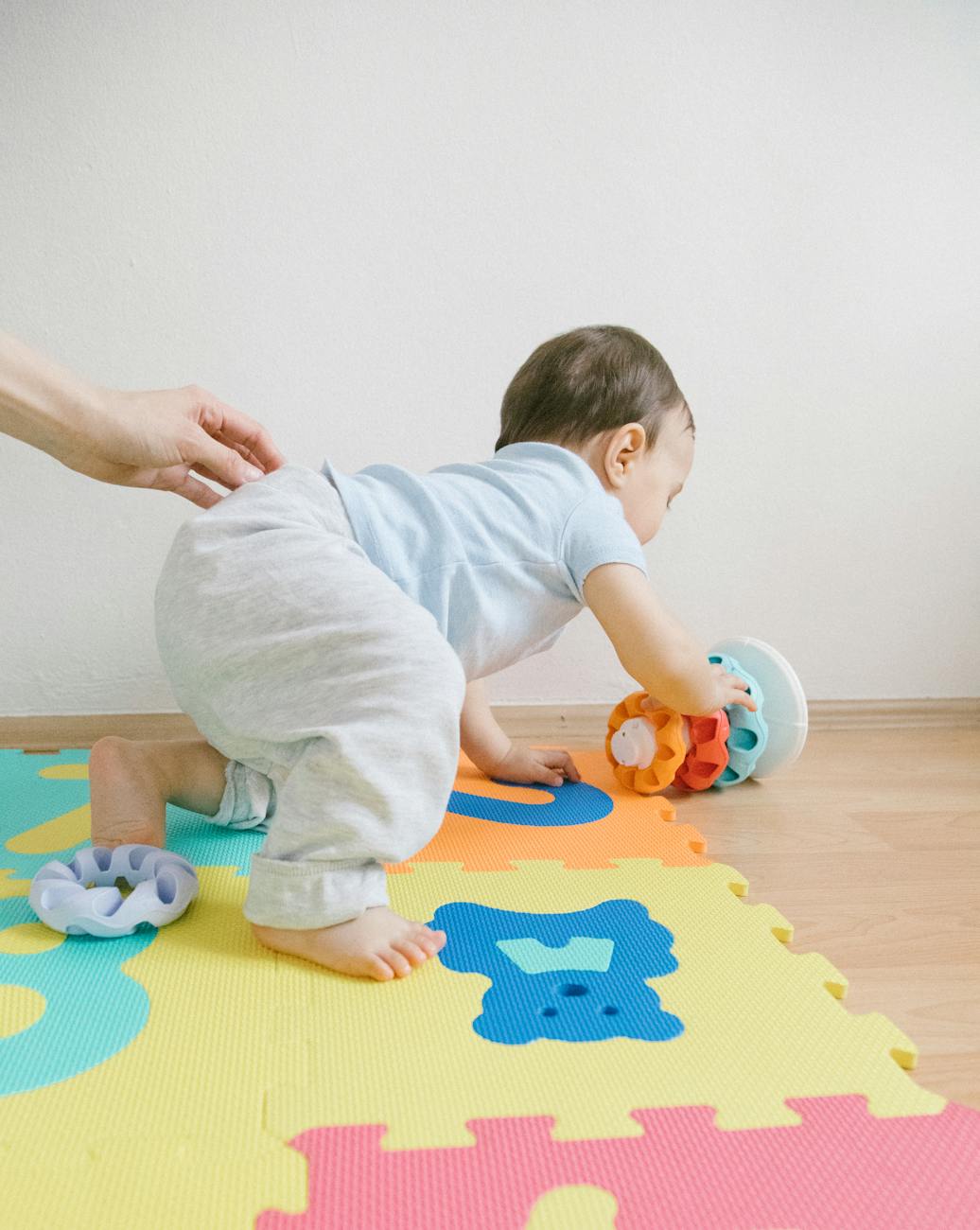
Misconception:
Achievement of milestones is enough to discharge a child from pediatric PT.
Photo by Meruyert Gonullu on Pexels.com
Pediatric PTs probe deeper into movement quality, coordination, postural control, and other areas.
Achieving developmental milestones may be the goal, but how children perform in skills can affect their quality of life and individual experiences.
Many standardized evaluation tools may overlook how much energy a child expends during an activity, how unintegrated reflexes can hinder fluid movement, and other aspects a pediatric PT may observe.

Misconception:
Children in low- and middle- income countries (LMIC) are getting the care that they need.
Photo by Los Muertos Crew on Pexels.com
In lower-middle-income countries, nearly half (48.3%, n=1653/3422, p=0.0013) of the children with cerebral palsy have not received at least one type of rehabilitation service.3
Although there are limited studies on pediatric PT in the Philippines, Callejo-Tiuseco and colleagues found that only about half (47.8%, n=65/134) of Filipino physicians across specialties regularly refer to PT.4
This referral guide…
• contains evidence-based recommendations for referral to essential or beneficial pediatric PT consultation or services
• provides a comprehensive scope and identifies the roles of pediatric PTs that enhance progress in other areas of development
• lists accessible assessment tools to aid in decision-making for pediatric PT referral

Who will benefit from this referral guide?

Families and caregivers
Photo by olia danilevich on Pexels.com

Physicians
Occupational therapists
Speech therapists
Special education teachers
Photo by Pavel Danilyuk on Pexels.com
References:
1. Resource | What is pediatric physical therapy? Choose PT. Published July 9, 2024. https://www.choosept.com/
2. Kanniappan V, Rajeswari AJ, Padma Lawrence PE, Sundar S. Understanding the perspectives of paediatric physicians on physiotherapy in paediatric rehabilitation in Chennai, India: A qualitative approach. J Prev Med Public Health. 2024;57(2):157-166. doi:10.3961/jpmph.23.426
3. Al Imam MH, Jahan I, Muhit M, et al. Predictors of rehabilitation service utilisation among children with cerebral palsy (CP) in low- and middle-income countries (LMIC): Findings from the Global LMIC CP Register. Brain Sci. 2021;11(7):848. Published 2021 Jun 25. doi:10.3390/brainsci11070848
4. Callejo-Tiuseco AJC, Rimando CRD, Nava JBP, et al. Perception of Filipino physicians on the roles and scope of practice of physical therapy in the Philippines: A multi-method quantitative study. Philippine Journal of Physical Therapy. 2022;1(1):1-15. doi:10.46409/002.jbqr2261